

PinkPunkPsychologies
Blog
Entdeck Artikel zu Themen rund um
Psychologie, Neurologie, Psychosomatik & mehr.
Manchmal öffnet ein Perspektivwechsel neue Sichtweisen.
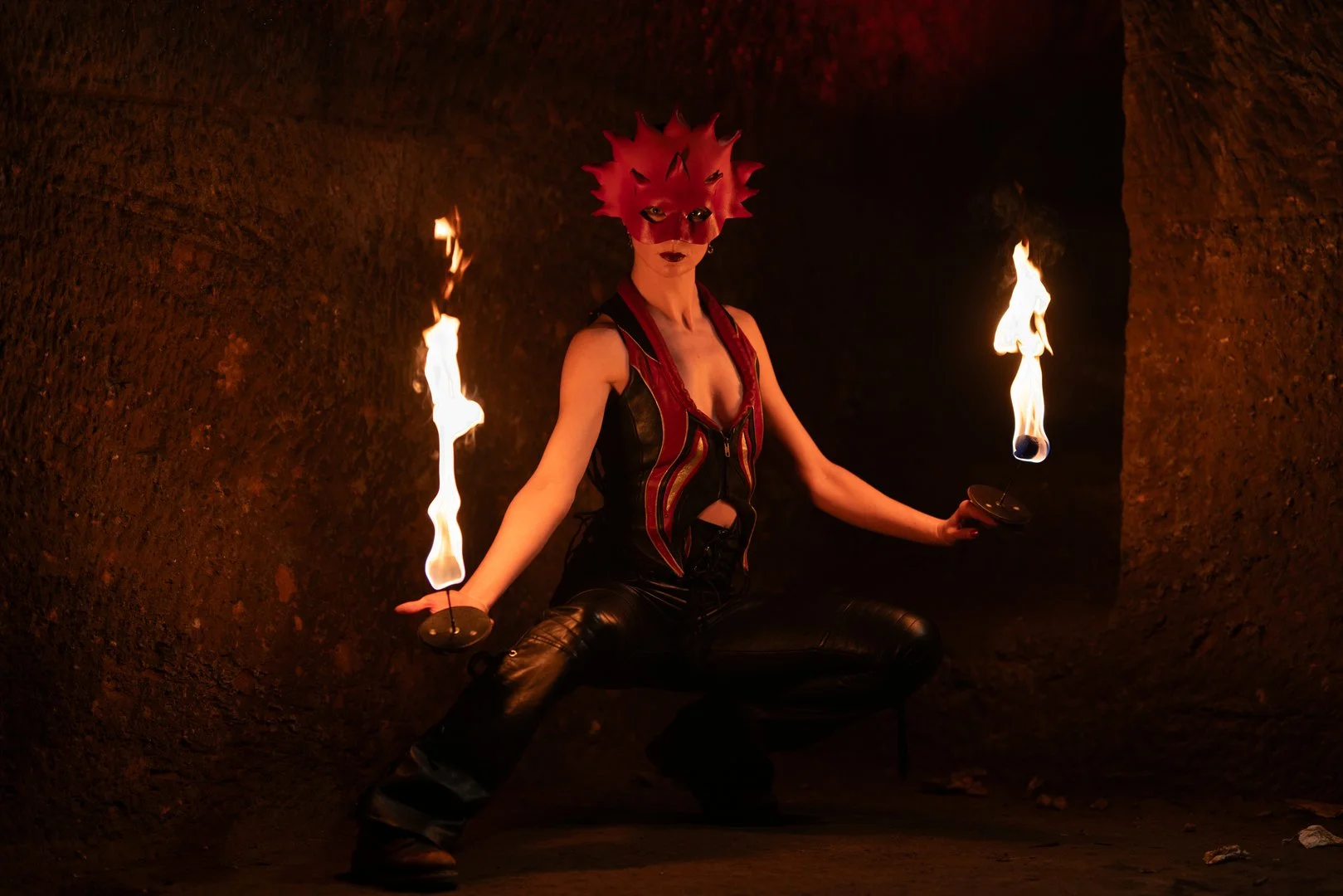
Warum wir unsere inneren Drachen brauchen, Prinzen aber nicht
Was Disney uns über Liebe beigebracht hat - und warum echte Beziehungen Menschen mit innerem Feuer brauchen
Disney taught us that love means playing roles: princesses wait passively, princes rescue without showing emotion. These patterns show up in adult relationships as the "Prince Complex" (men who must always be strong) and the "Adaptation Artist" (people who make themselves small to keep the peace).
Unmet needs don't disappear - they become hostile dragons: cold anger, passive aggression, or explosive rage. The solution isn't to suppress the dragon, but to befriend it. An integrated dragon knows its needs, expresses anger as living energy, and sets boundaries without destroying the other person.
Real intimacy doesn't come from playing roles. It comes from showing up authentically - with fire, needs, and honest boundaries.
Read this article to learn:
How Disney's romantic narratives planted scripts for dysfunctional love
What the "Prince Complex" and "Adaptation Artist" patterns actually are - and how both cost energy without creating connection
Why unmet needs become hostile dragons - and why neither silence nor screaming works
What an integrated dragon looks like: expressing anger as living energy and setting boundaries without attacking
Why real intimacy requires showing up with fire - and how both partners need their dragons befriended, not suppressed
Worüber sprechen wir eigentlich?
On language - how it shapes memory, emotion & imagination
🎧 Auch als Audio verfügbarWe assume we're talking about the same thing. We're not. Language doesn't mirror reality - it shapes and reduces experience. A word is never the thing itself.
When we say "anger," "safety," or "love," we refer to different bodily sensations, inner images, and histories. Emotions react faster than conscious thought. What looks like a conflict about words is often about something deeper: unspoken expectations, old experiences, the question of being seen.
Language intervenes - it activates inner images and emotional patterns. Small differences in wording can profoundly alter inner experience. Words guide or interrupt, open space or close it. Speaking is never neutral. For some, especially those with heightened sensitivity, verbal interaction itself costs energy.
The relevant question isn't what is being said, but which inner images, memories, and fears the words activate. Language doesn't pass between people - it enters them.
Read this article to learn:
Why we confuse words with reality - and how language reduces complexity while shaping what we experience
How emotions react faster than conscious thought - and why conflicts are rarely about the words themselves
Why language is invasive: how wording activates inner images, memories, and bodily sensations
How speaking costs energy for sensitive nervous systems - and why silence can be the more attentive form of contact
Why the real question isn't what's being said, but which inner worlds the words are entering
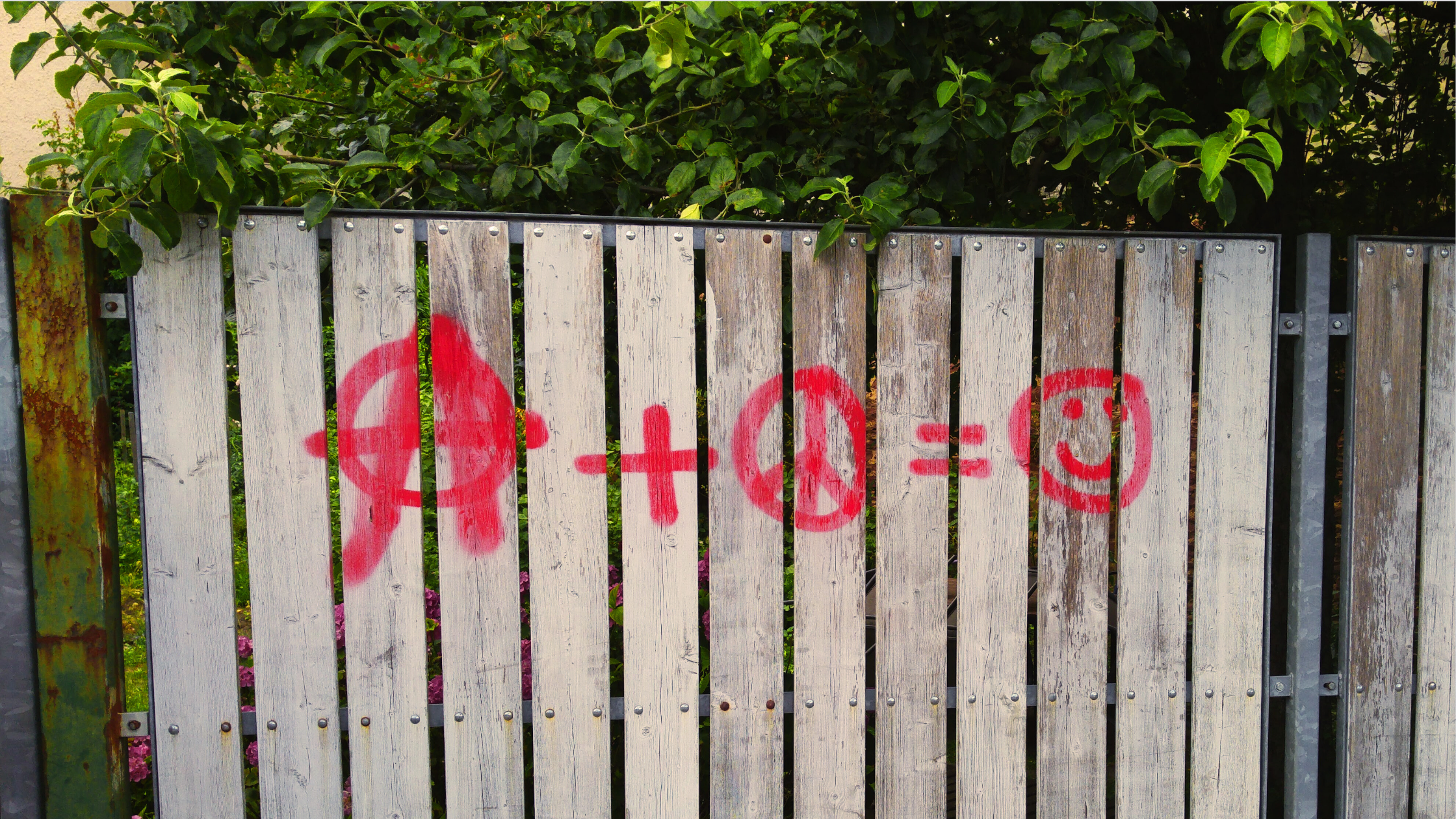
Punk als Frühwarnsystem
Punk als soziale Funktion – mehr als nur ein Stil
Punk is often reduced to how it looks: too loud, too wild, too uncomfortable. But punk describes more than style - it marks a social position where adaptation no longer works, and where development becomes possible.
Resilience doesn't grow from rigid adjustment. It grows from flexibility. When deviation is punished, people lose contact with their needs - and often their bodies. What appears as resistance or "too much" is often not a problem, but a signal.
Punk isn't rebellion for its own sake. It's about listening to those signals before something breaks.
I understood this when I stepped on stage to sing - not beautifully, but honestly. Not because the fear disappeared, but because the punk attitude allowed me to be visibly imperfect. And instead of collapsing, something rigid finally broke open.
Read this article to learn:
How punk functions as a social early warning system - marking friction points where adaptation stops working and change becomes necessary
Why perfect adaptation creates fragile systems, and how deviation from the norm often protects resilience rather than threatening it
How even rebellious identities can become masks - and why the real question is whether your mask still serves you or has become a cage
Why "standing out before you fall down" isn't about performance, but about maintaining contact with yourself before you lose it entirely

What Goats, Crayfish, and the “Black Sheep” of the Family Have in Common
Goats, crayfish, and “black sheep” share a surprising trait:
they detect danger early, long before the majority notices.
In everyday life, this sensitivity is often dismissed as stubbornness or disruption, yet in nature it functions as a vital warning system. The article argues that resilience is not the ability to endure everything, but the capacity to adapt wisely - and to recognize when adaptation becomes harmful.
Highly sensitive or intelligent individuals may be more prone to burnout or depression not because they are weak, but because they perceive systemic dysfunction sooner.
Black sheep, as index patients, often carry the symptoms a family or society cannot regulate.
Societal resilience grows when we listen to these signals, rather than silencing them, and when we allow resistance to become a form of protection.
Read this article to learn:
Why sensitivity isn't weakness - and how people who "break first" often function as early warning systems for systemic dysfunction
How resilience gets twisted into silent endurance - and why adaptation can become more costly than resistance
What "black sheep" and index patients actually signal: unprocessed tension in families and societies
Why joy is not a luxury but a neurological protective factor - and why it requires conscious practice after generations of survival mode
When to stop adapting: practical questions to assess whether your resilience still protects you, or just keeps a broken system running
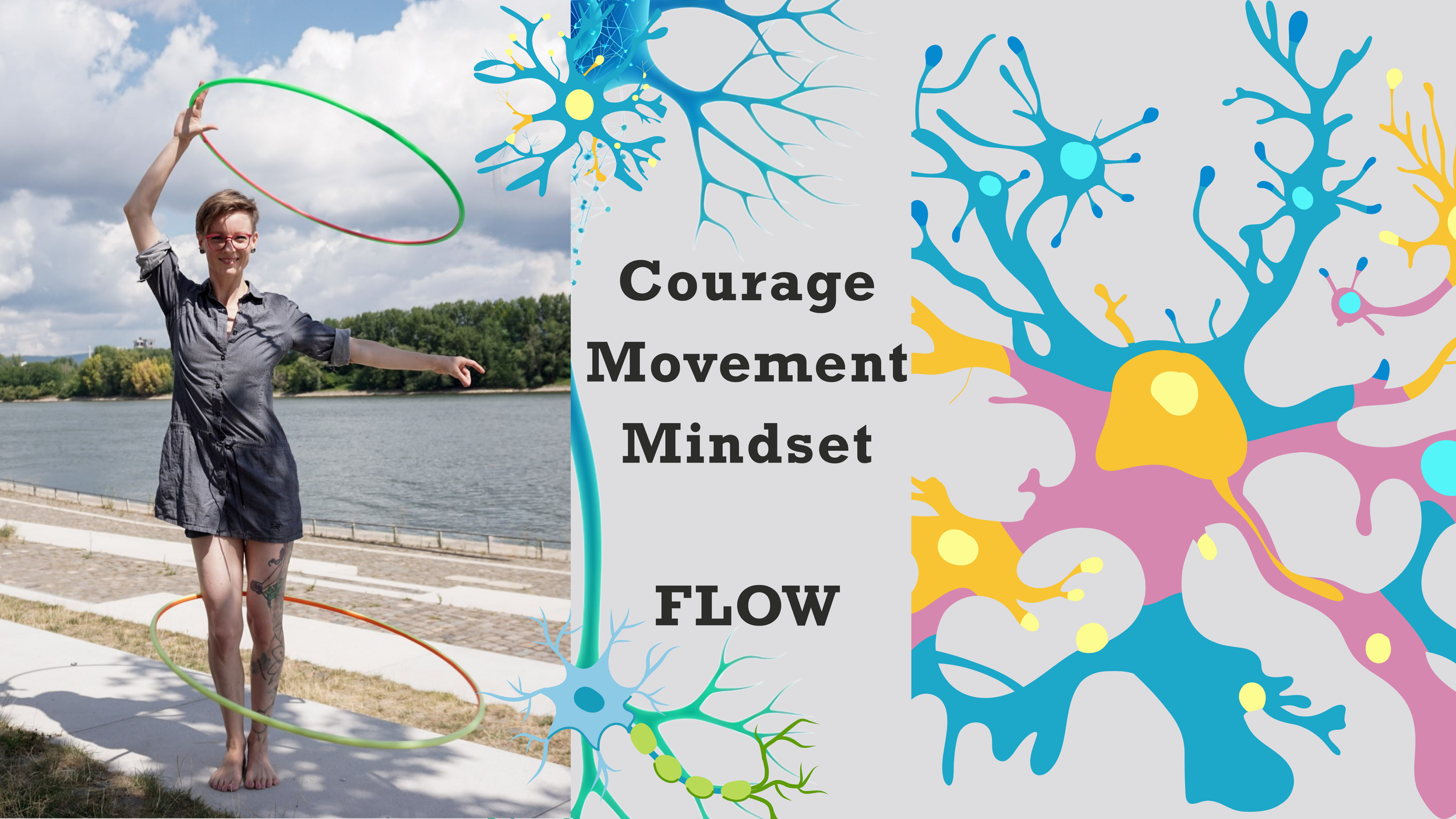
Flow, Glück & Therapie: Warum „Spieltherapie“ für Erwachsene so dringend gebraucht wird
Flow is a state of consciousness that improves well-being, learning, and emotional stability by calming stress systems while boosting attention and creativity.
In Flow, self-consciousness fades and actions feel fluid, making it a state that can be practiced and therefore used therapeutically.
In some places, Flow-inducing activities like surfing are already combined with therapy to treat depression and trauma.
Flow follows a natural cycle—Struggle → Release → Flow → Recovery → Repeat - and trying to force it usually backfires.
It also changes how we handle fear: activation such as a racing heart or faster breathing no longer automatically signals danger, and the body learns it can feel intense and still act safely.
Flow does not replace therapy, but it expands it by offering experiences words alone cannot provide; the more we practice letting go, the more we improve - without trying so hard.
Why flow is a measurable neurophysiological state with real therapeutic potential—not just a productivity buzzword
Read the full article to learn:
Why forcing flow backfires, and what the natural cycle of Struggle → Release → Flow → Recovery actually requires
How flow rewires your nervous system to interpret arousal (racing heart, fast breathing) as available energy rather than danger
Why talk therapy alone often isn't enough—and what embodied flow experiences add that words cannot provide
The uncomfortable truth: improvement often comes not through more control, but through practicing letting go
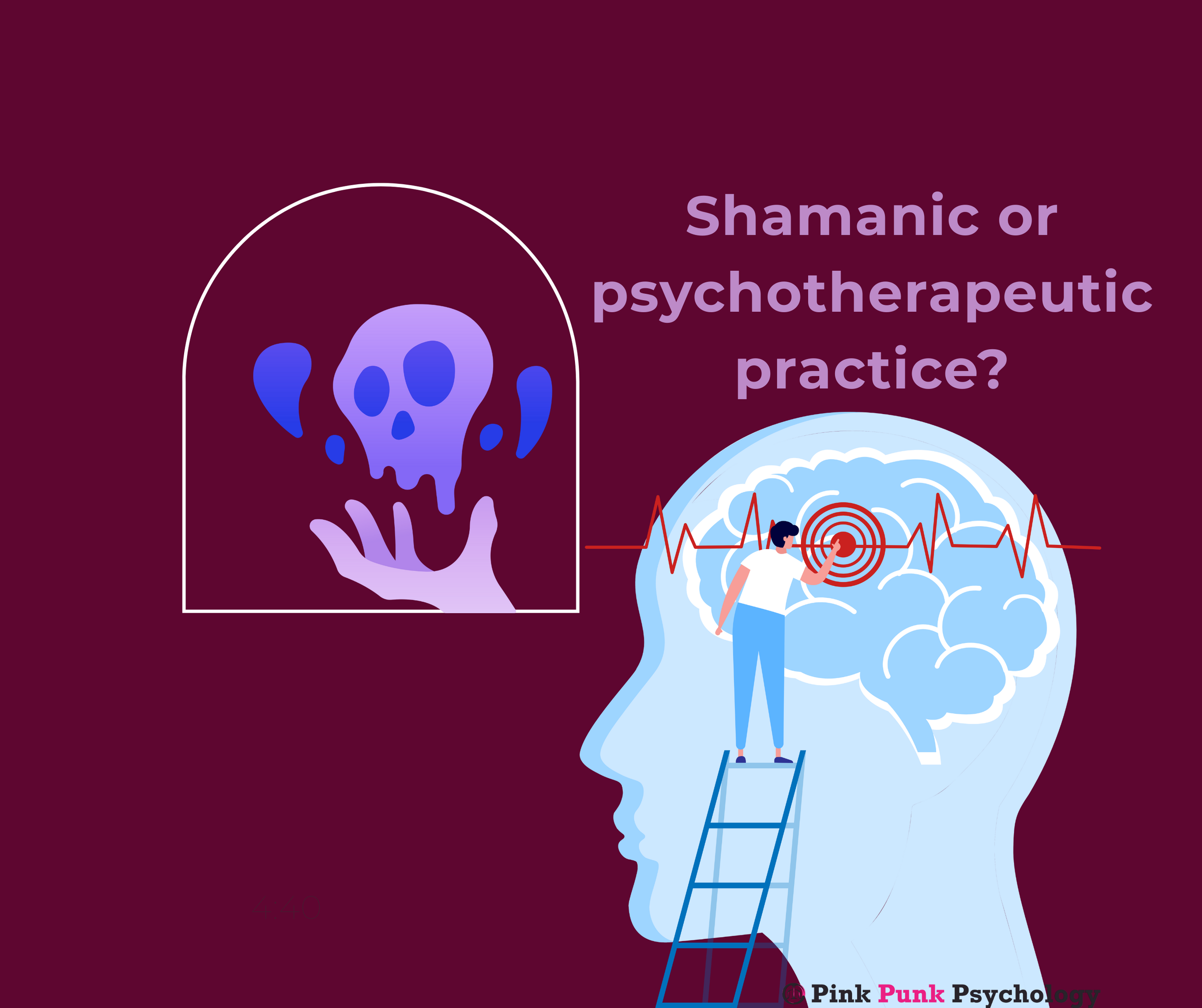
Wenn Mythen und Biologie dieselbe Sprache sprechen
Manche Dinge klingen mystischer, als sie sind. Was wir Ritual, Glauben oder Magie nennen, nutzt oft dieselben biologischen Schaltkreise wie moderne Psychotherapie: Aufmerksamkeit, innere Bilder, Rhythmus und die Regulation des Nervensystems.
Eine Frau war überzeugt, sie sei verflucht worden. Objektiv kaum haltbar, subjektiv hochwirksam. Ihr Körper spannte sich an, kleine Pannen häuften sich, die Welt wurde feindlich. Das „Ritual“, das sie erhielt, bestand weder aus Rauch noch aus Symbolen, sondern aus einem präzise geführten therapeutischen Prozess, der Sicherheit und Handlungsspielraum wiederherstellte. Als ihr Nervensystem zur Ruhe kam, verlor der Fluch seine Macht.
Das Gehirn wartet nicht auf Bedeutung. In weniger als einer Sekunde legt es Vergangenheit über Gegenwart und spielt alte Beziehungsmuster ab, bevor das Bewusstsein eingreifen kann. Das ist keine Magie. Das ist veralteter Schutz.
Belief matters not because the nervous system responds to lived experience over explanation.
When the body learns that it can stay present - breath returning, heart slowing - the story changes. And with it, the world we inhabit.
How projection works: your brain automatically layers past experiences onto new situations in under a second - before conscious thought even begins
Read the full article to learn:
How a "curse" became real through belief alone, and why the nervous system doesn't distinguish between symbolic and literal threat
Why the ritual that lifted the curse was actually just precise psychotherapy with a different narrative wrapper
How belief works as "neurobiology with a poetic user interface" - and why the stories we believe literally become the world we live in

Bauchgefühl trifft Biologie: Was hinter intuitiver Klarheit steckt
Wie würde sich dein Leben anfühlen, wenn du einen zuverlässigen inneren Kompass hättest – einen, der dich sanft zu dem hinführt, was wirklich gut für dich ist, selbst wenn das Leben laut, voll oder kompliziert erscheint?
Auch wenn wir heute in einer Welt leben, in der Informationen und Fehlinformationen schneller verbreitet werden, als unser Nervensystem sie verarbeiten kann – und wir oft von Nachrichten, Terminen, Erwartungen und Entscheidungen überwältigt sind – kann unser Bauchgefühl ein verlässlicher Begleiter bleiben.
Es ist keine esoterische Zufälligkeit. Es ist ein komplexes Zusammenspiel von Biologie, Erfahrung und unbewusster Verarbeitung. Wenn wir lernen, dieses System wieder wahrzunehmen, treffen wir klarere Entscheidungen, pflegen authentischere Beziehungen und leben ein Leben, das sich wie unser eigenes anfühlt – und nicht wie eine Darbietung für andere.
Im vollständigen Artikel erfährst du:
Why intuition isn't mystical nonsense but a rapid neurobiological process that decides before your logical mind catches up
How the 6 universal emotions (anger, disgust, sadness, fear, joy, surprise) either strengthen or block your intuitive clarity
What the gut-brain axis actually is – and why chronic stress suffocates your inner compass
How to distinguish between genuine gut feeling and idealization
Why rumination is a defense mechanism, not deep thinking
5 practical tools to make your intuition audible again
Burnout-Prävention? Oder endlich aufhören, das Individuum zu pathologisieren
There's a lot of talk about burnout prevention. As if exhaustion were a mistake. As if we're never allowed to flicker or go out.
Aber was, wenn genau diese Idee das Problem ist?
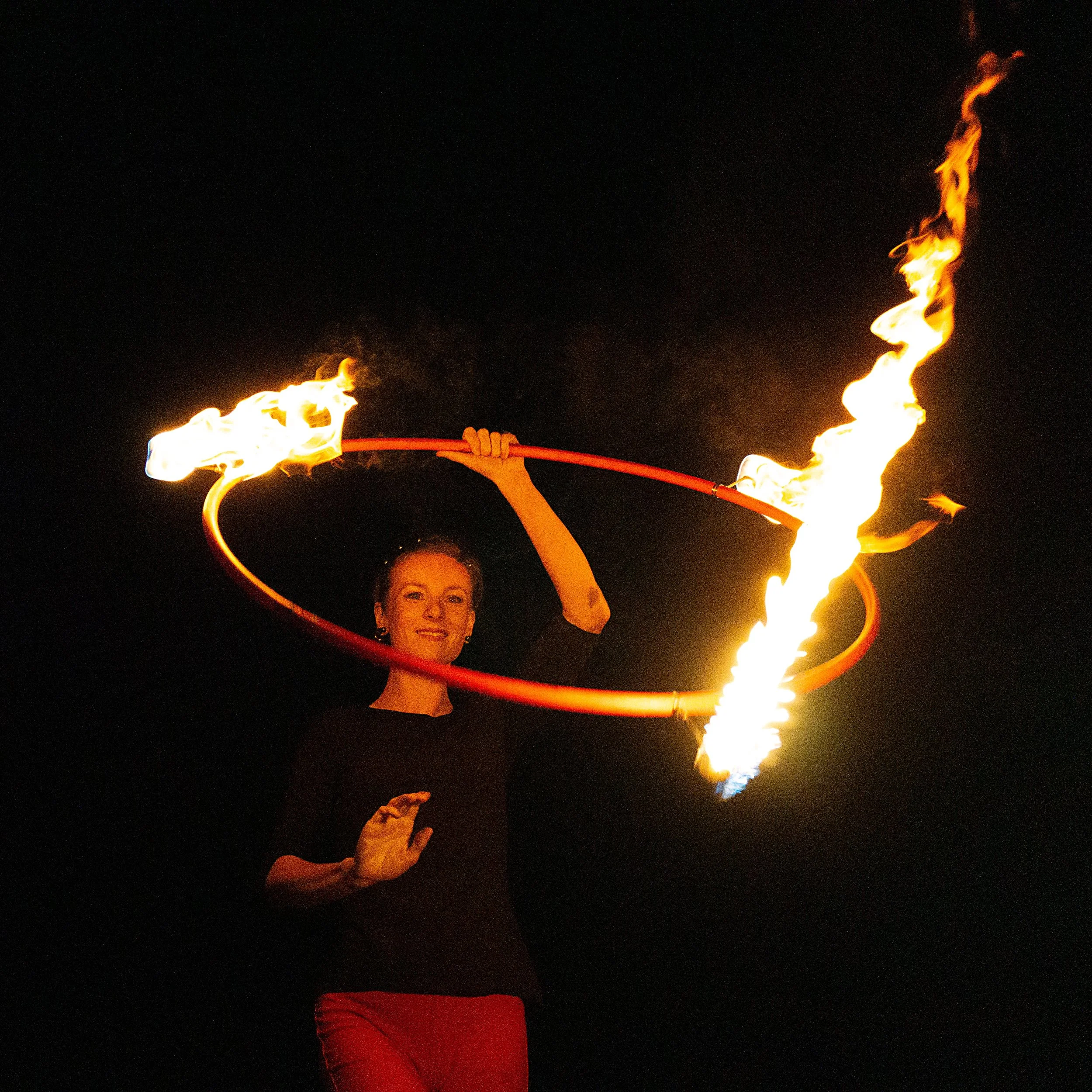
From fire performance, I know: new torches aren't pushed to their limit right away. You light them briefly, let them rest, light again.
With people, it's the opposite. We're expected to run at full capacity from day one until there's nothing left.
Burnout isn't personal failure. It's what happens in systems that replace meaning with productivity.
And some people pay this price twice over: neurodivergent people, highly sensitive people, those with heightened justice sensitivity. Not because they're "weaker" - but because they exist in a system not made for them.
What actually protects isn't mindfulness apps. What protects is meaning.
Manchmal bedeutet Schutz, für bessere Bedingungen zu kämpfen. Manchmal bedeutet es, endlich zuzugeben, welche Flammen nie deine waren.
Im vollständigen Artikel erfährst du:
How bore-out and burnout are symptomatically almost identical
Was neurodivergente Menschen besonders gefährdet macht
Warum „Wiederaufrichten" nicht bedeutet, wie vorher zu funktionieren
And why humans are cyclical systems - not meant to burn at constant brightness